
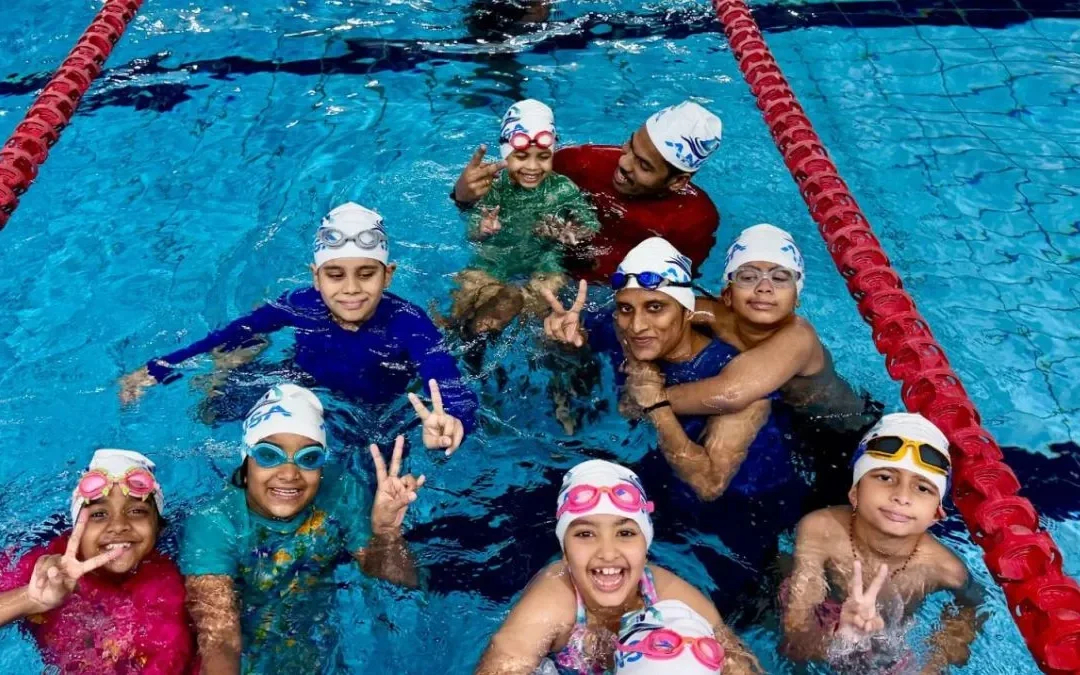
Choosing the right swimming academy in Dubai is one of the most vital decisions you can make for your child’s safety, physical development, and lifelong relationship with the water. While there are dozens of facilities offering swimming lessons in Dubai, they do not all maintain the same structural standards, coaching quality, or safety protocols.
When comparing options, it is incredibly easy to base your decision solely on monthly fees or proximity to your home. However, a premier academy provides much more than sheer convenience. It marries elite coaching credentials with a highly structured curriculum, low student-to-coach ratios, and an environment that fosters genuine confidence.
This comprehensive parent’s checklist bypasses the marketing fluff to help you analyze potential academies objectively, ensuring your investment translates into real, measurable skill growth for your child.
How Do You Choose the Best Swimming Academy in Dubai?
Select an academy that features internationally accredited coaches, age-stratified and skill-segregated programs, low student-to-coach ratios, clear water safety protocols, and a defined progression pathway from toddler confidence up to advanced training. Always request an in-person facility tour and watch an active class before signing a long-term contract.
Why the Right Academy Choice Matters for Long-Term Development
Swimming is not merely a seasonal recreational pastime; it is a foundational life-saving skill that develops cardiorespiratory health, physical coordination, mental discipline, and self-esteem. A high-caliber academy ensures that children:
- Absorb fundamental water safety habits from their very first splash.
- Master bio-mechanically sound swimming techniques to minimize fatigue and injury risk.
- Build core stability, physical endurance, and motor control.
- Transition smoothly from initial water acclimation into elite performance lanes if they choose.
Conversely, a poorly managed facility or overcrowded class can actively stall a child’s technical progress, reinforce bad biomechanical habits, and even trigger severe water anxiety. Taking the time to evaluate an academy thoroughly saves time, money, and stress down the road.
The Ultimate Swimming Academy Evaluation Checklist
1. Verify Coach Certifications and Backgrounds
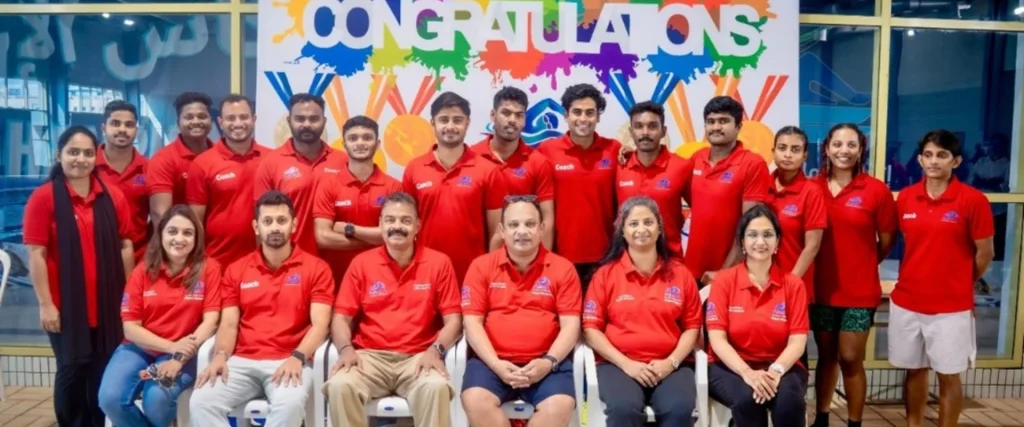
The quality of a swimming program lives and dies by its instructors. Do not hesitate to ask management about their staff’s technical credentials. Elite institutions employ coaches holding international qualifications (such as ASCA, Swim England, or equivalent global bodies), up-to-date lifeguarding certifications, and pediatric first aid training. Beyond paperwork, look for coaches who understand child psychology, demonstrate patience, and know how to keep young learners engaged without using fear or high-pressure tactics.
2. Audit the Safety Practices and Pool Hygiene
A premium academy operates like a well-oiled machine when it comes to risk mitigation. During your assessment, confirm the following protocols:
- Are certified lifeguards constantly scanning the water independently of the coaching staff?
- Is the pool water crystal clear, chemically balanced, and temperature-controlled for children?
- Are emergency response, evacuation, and first-aid kits visibly accessible?
- Are safety rules clearly posted around the deck and consistently enforced among the students?
3. Seek out a Highly Structured Curriculum
Children thrive on predictability and measurable milestones. Avoid facilities that offer generalized “play sessions” under the guise of lessons. Instead, opt for an academy that provides distinct, skill-based tiers. A progressive developmental pathway typically targets these milestones sequentially:
- Water Acclimation: Blowing bubbles, submersions, and building spatial confidence.
- Survival Basics: Independent front and back floating, rolling over, and controlled breathing.
- Propulsion Fundamentals: Streamlined body positioning, flutter kicking, and basic arm movements.
- Stroke Refinement: Master freestyle, backstroke, breaststroke, and butterfly with proper timing.
- Advanced Conditioning: Endurance building, competitive turns, dives, and race pacing.
Explore how we structure our foundational youth tiers through specialized programs like Aqua Bubble and Aqua Star to build proper technique early.
4. Demand Low Coach-to-Student Ratios
Even the most talented swimming coach cannot effectively manage twelve fearful beginners simultaneously. Overcrowded classes drastically reduce the individual attention your child receives, which slows down stroke correction and presents an unneeded safety hazard. For young beginners, seek a ratio no higher than 1:4 or 1:5. As swimmers advance to intermediate stroke correction, ratios can naturally scale up since the participants are self-sufficient in deep water.
5. Tour the Facility in Person During Active Hours
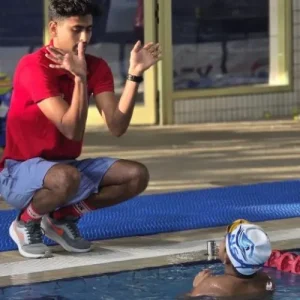
Websites and social media pages can make any pool look pristine. Nothing replaces an authentic, in-person observation. Take note of how the instructors interact with students. Are they actively tracking technical errors from the deck, or are they disengaged? Do the children look motivated, challenged, and secure? A positive, energetic, yet disciplined atmosphere is the hallmark of a premier swimming school.
6. Analyze the Long-Term Competitive Pathway
Your child might be a total beginner today, but their needs will change rapidly once they master the basics. Enrolling in an academy that offers an all-encompassing vertical pipeline, spanning from introductory classes up to elite competitive squads, saves you from having to switch schools later.
A robust Competitive Swimming Pathway introduces young athletes to club galas, advanced conditioning, and goal-setting dynamics, providing a seamless growth track within a familiar ecosystem.
Comparing Quality Academies vs. Basic Leisure Programs
| Feature Evaluated | Quality Swimming Academy | Basic/Leisure Swim Program |
| Coaching Pedigree | Internationally certified & verified coaches | Uncertified instructors or lifeguards pulling double duty |
| Syllabus Execution | Strict, milestone-driven technical levels | Randomized activities with minimal progression tracking |
| Class Density | Low student-to-coach caps for safety | High density, crowded lanes, minimal individual focus |
| Progress Reporting | Structured, periodic assessment cards | Subjective feedback given only when requested |
| Elite Opportunities | Clear pathways to competitive club teams | Strictly limited to introductory or basic stroke levels |
5 Common Mistakes Parents Make When Enrolling
- Prioritizing Price Over Pedigree: The cheapest monthly fee often equates to massive class sizes, uncertified staff, and highly prolonged learning timelines. Treat swimming lessons as an investment in a crucial life-safety skill.
- Expecting Instantaneous Miracles: True water mastery requires regular physical conditioning, muscle memory formation, and consistency. Avoid academies that promise a child will swim beautifully in just three lessons.
- Forgetting to Ask About Make-Up Lesson Policies: Children get sick, and schedules conflict. High-quality academies offer clear, transparent rules regarding scheduling adjustments and make-up sessions.
- Assuming Warm Water is Just a Luxury: Younger children lose body heat rapidly. If a pool is consistently cold, kids will spend the lesson shivering and crying rather than focusing on their coaches.
- Overestimating a Child’s True Comfort Level: Just because a child splashes happily in a shallow backyard pool does not mean they possess deep-water survival skills. Always trust the professional academy’s assessment level placement.
Critical Questions to Pose to Academy Management
Before submitting your registration fees, clear up any ambiguity by asking these direct questions:
- Which specific international aquatic organizations recognize your coaches’ certifications?
- What is the exact student cap for my child’s specific age and skill level?
- How frequently are formal evaluations conducted to determine if a student is ready to move up a level?
- Are children grouped strictly by their biological age, or are they grouped by demonstrated aquatic ability?
- Do you offer access to competitive leagues or specialized clinics once basic stroke mechanics are mastered?
The Ultimate Decision Checklist
Ensure you can check off every single block before finalizing your registration:
- Coaches hold verified, recognized international credentials.
- The pool area maintains dedicated lifeguard supervision separate from coaches.
- Class sizes are small enough to guarantee routine individual feedback.
- The curriculum utilizes a clear, structured advancement pathway.
- The facility is immaculately clean, hygienic and well-regulated.
- Location and class timings accommodate your family’s weekly routine seamlessly.
- Advanced tiers are available to support long-term athletic development.
Start Your Journey with Aqua Nation Sports Academy
Selecting a swimming academy is a long-term investment in your child’s physical capability and personal safety. By demanding certified coaching talent, disciplined safety metrics, low class densities, and a clear path forward, you give your child the ultimate toolkit to master the water safely.
At Aqua Nation Sports Academy (ANSA), we take pride in ticking every single box on a parent’s checklist. From our introductory youth programs like Aqua Bubble through to our high-performance Aqua Tech and Competitive Swimming Programs, our certified coaching team ensures a safe, encouraging, and elite educational experience. Led by Mr. Pradeep Kumar Sreedharan, our CEO and Head Coach, ANSA benefits from over 35 years of excellence in swimming and aquatics. As the National Swimming Coach of India, a 4-time Olympian coach, and a Dronacharya Awardee, he brings unmatched expertise and a proven coaching philosophy that helps swimmers of all ages build confidence, master technique, and achieve their full potential.
Ready to find the perfect aquatic track for your child?
Browse our training locations across Dubai and Abu Dhabi, check out our comprehensive program options, or Contact Us today to arrange a professional skill assessment and begin your child’s swimming journey with confidence.
Frequently Asked Questions
What is the most ideal age to enroll my child in formal swim lessons?
While infants can join water acclimation classes accompanied by a parent as early as 6 months, most developmental experts recommend starting independent, structured group swimming lessons between 4 and 5 years old. At this stage, children possess the motor skills and attention spans needed to absorb technical commands.
How many times a week should my child attend swimming sessions to see progress?
For consistent skill retention, building physical endurance, and gaining confidence, a cadence of two to three sessions per week is highly recommended. Attending only once a week often leads to a cycle of forgetting skills between classes, lengthening the time it takes to advance.
Should beginners opt for private or group swimming classes?
Private lessons are excellent for children dealing with intense water phobias or those needing rapid, hyper-focused stroke adjustments. However, small group classes are generally superior for typical beginners, as peer observation, friendly competition, and shared camaraderie accelerate learning.
Are there swimming programs structured specifically for adults in Dubai?
Yes. Elite academies provide specialized Adult Swimming Classes split by ability. These programs cater to absolute beginners looking to conquer a fear of water, intermediate swimmers seeking to refine their technique, and fitness enthusiasts targeting advanced aerobic conditioning.