
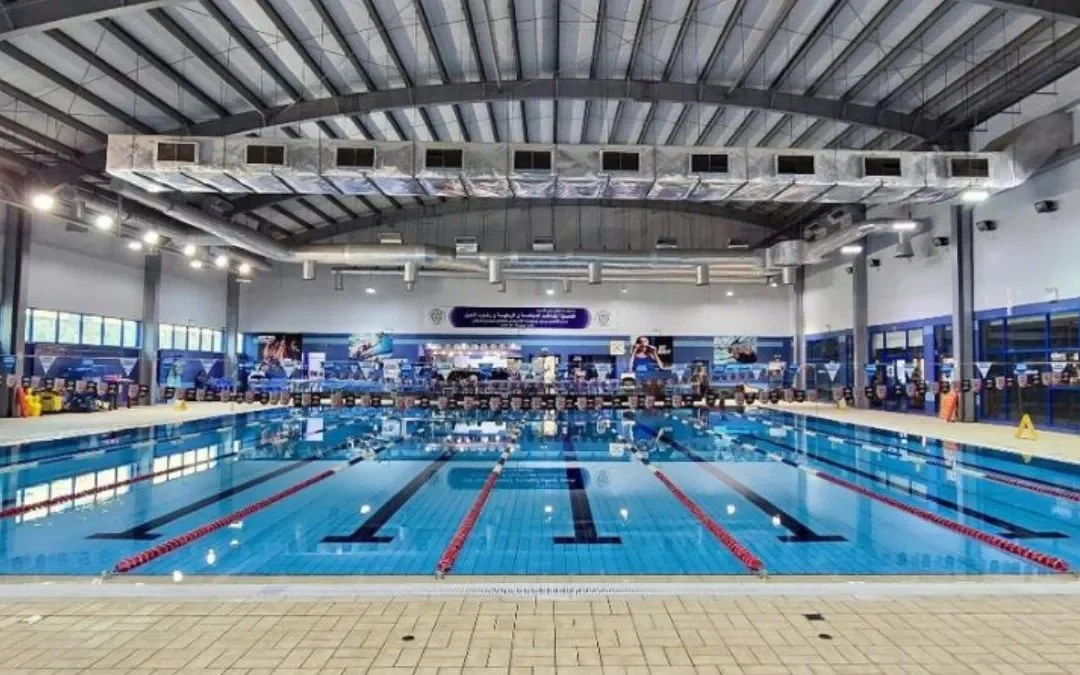
Every parent wants their child to enjoy the water while staying safe. Whether you are visiting a local swimming pool, spending a weekend at the beach, heading to a water park, or enjoying a family gathering by the pool, understanding essential swimming safety tips makes all the difference.
While learning to swim is one of the best life skills a child can develop, it must always go hand in hand with proper water safety habits. At Aqua Nation Sports Academy (ANSA), our experienced coaches believe that swimming is more than just a sport, it is a life-saving skill. By combining professional instruction with strong water safety education, we help children build confidence, improve their technique, and learn how to navigate different aquatic environments safely.
What Are the Most Important Swimming Safety Tips for Children?
The most important swimming safety tips include supervising children at all times, enrolling them in professional swimming lessons, teaching basic water safety rules, using appropriate safety equipment, avoiding distractions near water, and ensuring children swim only in safe, supervised environments. Learning these habits early significantly reduces the risk of water-related accidents.
Why Swimming Safety Matters More Than Ever
Water is endlessly enjoyable for kids, but it demands respect. According to the World Health Organization (WHO), drowning remains one of the leading causes of accidental injury-related deaths among children worldwide. The encouraging news? The vast majority of these incidents are entirely preventable through active parental supervision, education, and structured swimming lessons.
Imagine the peace of mind that comes with knowing your child can confidently float, tread water, and respond calmly to unexpected situations. Learning water safety for kids starts long before they become strong swimmers.
The Foundation of Child Swimming Safety
Swimming ability alone doesn’t guarantee safety. To be truly safe, children also need to understand:
- Pool rules and etiquette.
- Safe entry and exit techniques.
- Respect for water depth and hidden hazards.
- Basic emergency responses.
- The importance of listening to lifeguards and instructors.
Professional swimming lessons combine these essential safety habits with stroke development, ensuring children are prepared for real-life situations.
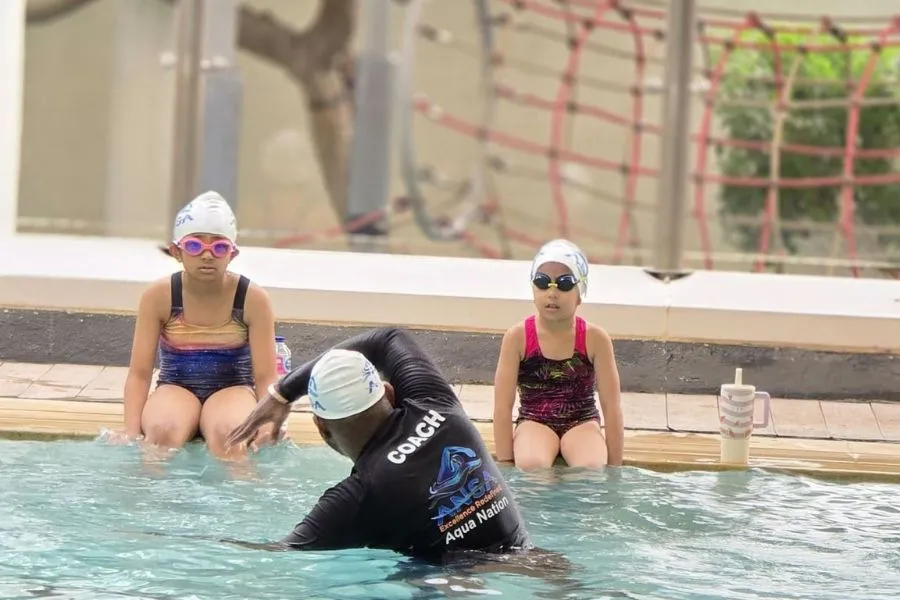
10 Essential Swimming Safety Tips Every Parent Should Know
1. Never Leave Children Unsupervised Around Water
This is the golden rule of water safety. Even if your child is an advanced swimmer, accidents can happen in seconds. Always stay within arm’s reach of younger children and keep your eyes on the water. Avoid using mobile phones or reading while supervising. For social gatherings, assign one responsible adult as the designated “Water Watcher” and rotate shifts. Remember: Floaties or inflatable toys are never a substitute for adult supervision.
2. Start Swimming Lessons Early
One of the best investments you can make in your child’s well-being is enrolling them in professional instruction. Children who receive structured lessons develop water confidence, better physical coordination, proper breathing techniques, and strong floating skills. At ANSA, our age-appropriate Kids Swimming Programs gradually introduce children to the water while enforcing essential safety rules from day one.
3. Teach Basic Water Safety Rules
Children should know the “pool rules” before their toes even touch the water. Consistent reinforcement makes these habits automatic.
The Water Safety Checklist:
✔ Never run near the edge of the pool.
✔ Never push others into the water.
✔ Always ask an adult for permission before entering.
✔ Swim only where an adult or lifeguard is present.
✔ Never pretend to be drowning (fake calls for help).
4. Ensure Children Learn to Float
Floating is the most critical survival skill taught in beginner swimming classes. If a child accidentally falls into the water, knowing how to roll onto their back, stay calm, and float can buy valuable time until help arrives. Professional instructors focus heavily on back floating, controlled breathing, and safe recovery techniques before moving on to complex strokes.
5. Use Properly Fitted Safety Equipment
Parents often assume inflatable armbands (water wings) guarantee safety. Unfortunately, they do not, they can easily deflate or slip off. Instead, opt for Coast Guard-approved life jackets when boating or swimming in open water. For regular pool use, equip your child with proper swim goggles, highly visible swim caps, and non-slip pool footwear.
6. Choose Age-Appropriate Swimming Environments
Not every swimming location is suitable for beginners. Before allowing children into the water, assess the environment. Check the water depth, pool cleanliness, lifeguard availability, and safety signage. Children should always swim in environments that match their current skill level.
7. Teach Safe Pool Entry and Exit
Many minor accidents happen before the swimming even begins. Teach your children to always enter the water feet first unless explicitly instructed otherwise by a coach in a safe diving zone. They should never dive into shallow water, must use pool ladders correctly, and should exit calmly without pushing others.
8. Help Children Recognize Their Limits
Every child progresses at their own pace. Some become confident swimmers in a matter of weeks, while others need months of practice. Avoid comparing your child to their friends or siblings. Instead, celebrate their unique progress, build confidence gradually, and never force them to attempt difficult skills before they are ready.
9. Learn Basic Emergency Response
You don’t need to be a certified lifeguard, but knowing basic emergency procedures is vital for any parent. Consider taking a basic CPR and first aid course. Knowing how to respond quickly and calmly during unexpected situations can save a life.
10. Choose a Professional Swimming Academy
Perhaps the most valuable safety decision you can make is selecting the right swimming school. A professional swimming academy focuses equally on stroke technique and survival education. Look for certified instructors, small class sizes, progressive curriculums, and safe facilities.
Professional Swimming Lessons vs. Informal Learning
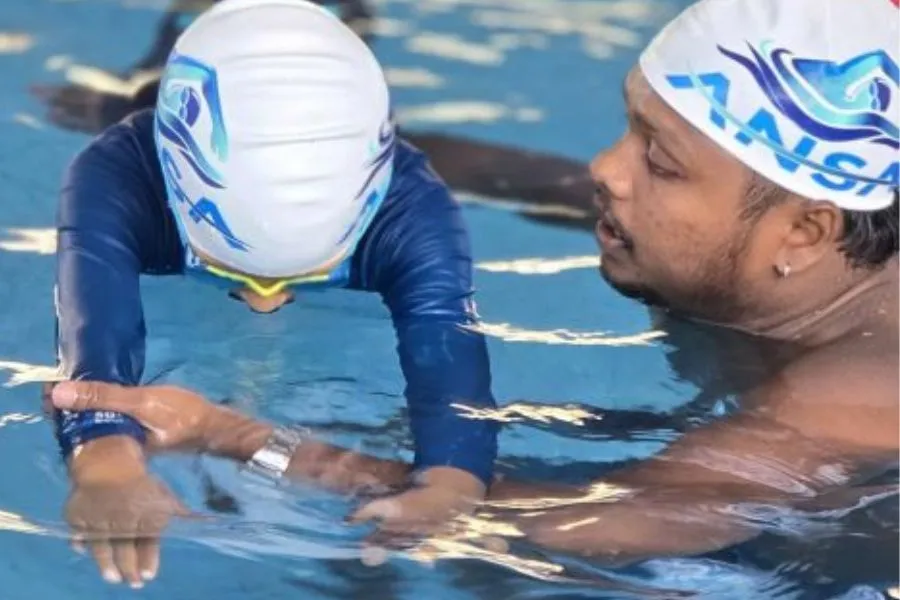
Many parents wonder if they can just teach their kids to swim themselves. While family fun is great for water acclimation, professional lessons offer structured benefits that are hard to replicate.
| Feature | Professional Swimming Lessons | Informal Learning (Family/Friends) |
| Curriculum | Structured progression based on skill milestones | No clear progression or lesson plan |
| Instruction | Certified, experienced coaches | Limited technical guidance |
| Safety Focus | Heavy emphasis on survival skills & hazards | Safety may be unintentionally overlooked |
| Technique | Immediate stroke correction | Risk of developing incorrect, tiring habits |
| Measurement | Regular assessments & level upgrades | Hard to measure actual progress |
Swimming Safety: Pools vs. Beaches
Not all swimming environments present the same risks. While pools offer a controlled setting, natural bodies of water require heightened awareness.
| Safety Factor | Swimming Pool | Beach / Open Water |
| Water Conditions | Calm and predictable | Unpredictable waves, tides, and currents |
| Visibility | Usually clear to the bottom | Varies heavily depending on weather/sand |
| Depth | Clearly marked on the pool edge | Changes suddenly and unexpectedly |
| Hazards | Slippery decks, hard edges | Rocks, marine life, rip currents |
| Best for Beginners | Highly Recommended | Only in strictly designated, shallow areas |
Safety Tip: If your child is still learning to swim, build their foundation in a supervised swimming pool before introducing them to the unpredictable nature of open water.
How Parents Can Build Water Confidence at Home
Swimming lessons are the foundation, but parents play a huge role in reinforcing these skills.
- Talk About Water Safety Regularly: Ask your kids questions like, “What do we do before we get in the pool?” or “Why do we walk instead of run on the pool deck?”
- Encourage Healthy Habits: Teach your child to shower before entering the pool, stay hydrated, and rest when they feel tired. Fatigue is a major contributor to poor form and water accidents.
- Celebrate Progress: Every new skill—whether it’s putting their face in the water or swimming a full lap—is worth celebrating. Positive reinforcement builds a lifelong love for the water.
Conclusion
Learning to swim is one of the greatest gifts you can give your child. Beyond improving their physical fitness and confidence, it equips them with a vital life skill that keeps them safe. By following these swimming safety tips, maintaining active supervision, and enrolling your child in professional instruction, you are building habits that extend far beyond the pool deck.
At ANSA, we are committed to helping children and adults become strong, confident swimmers. With our structured programs and experienced coaches, we provide a safe, supportive, and highly enjoyable learning environment.
Ready to help your child become a safer and more confident swimmer?
Explore our Competitive Swimming Programs, find your nearest ANSA location in Dubai or Abu Dhabi, and contact our team today to find the perfect fit for your family!
Frequently Asked Questions (FAQ)
What is the most important swimming safety rule?
The absolute most important rule is to never leave a child unattended near water. Active adult supervision, meaning eyes on the pool, without digital distractions, is the most effective way to prevent water-related accidents, even for children who know how to swim.
At what age should children start swimming lessons?
Many children can begin structured, independent swimming lessons around 4 to 5 years of age. However, parent-and-toddler water acclimation classes can start as early as 6 months to help infants get comfortable in the water and learn basic survival reflexes.
Can swimming lessons prevent drowning?
Yes. According to safety experts, formal swimming lessons significantly reduce the risk of drowning by teaching children how to float, control their breathing, and navigate the water. However, lessons do not replace the need for active adult supervision.
Should my child wear a life jacket while learning to swim?
In deep or open-water environments (like boating or at the beach), properly fitted, Coast Guard-approved life jackets are essential. During structured pool lessons, however, instructors generally use specific, temporary flotation aids (like kickboards or noodles) that are gradually removed to teach independent swimming.
How do I choose the right swimming academy in Dubai or Abu Dhabi?
Look for an academy that features certified instructors, a structured learning program, small student-to-teacher ratios, clean facilities, and a strong, documented focus on water safety alongside stroke development.